
When technology accelerates life to the point of vertigo, critical thinking becomes the only refuge against noise and immediacy.
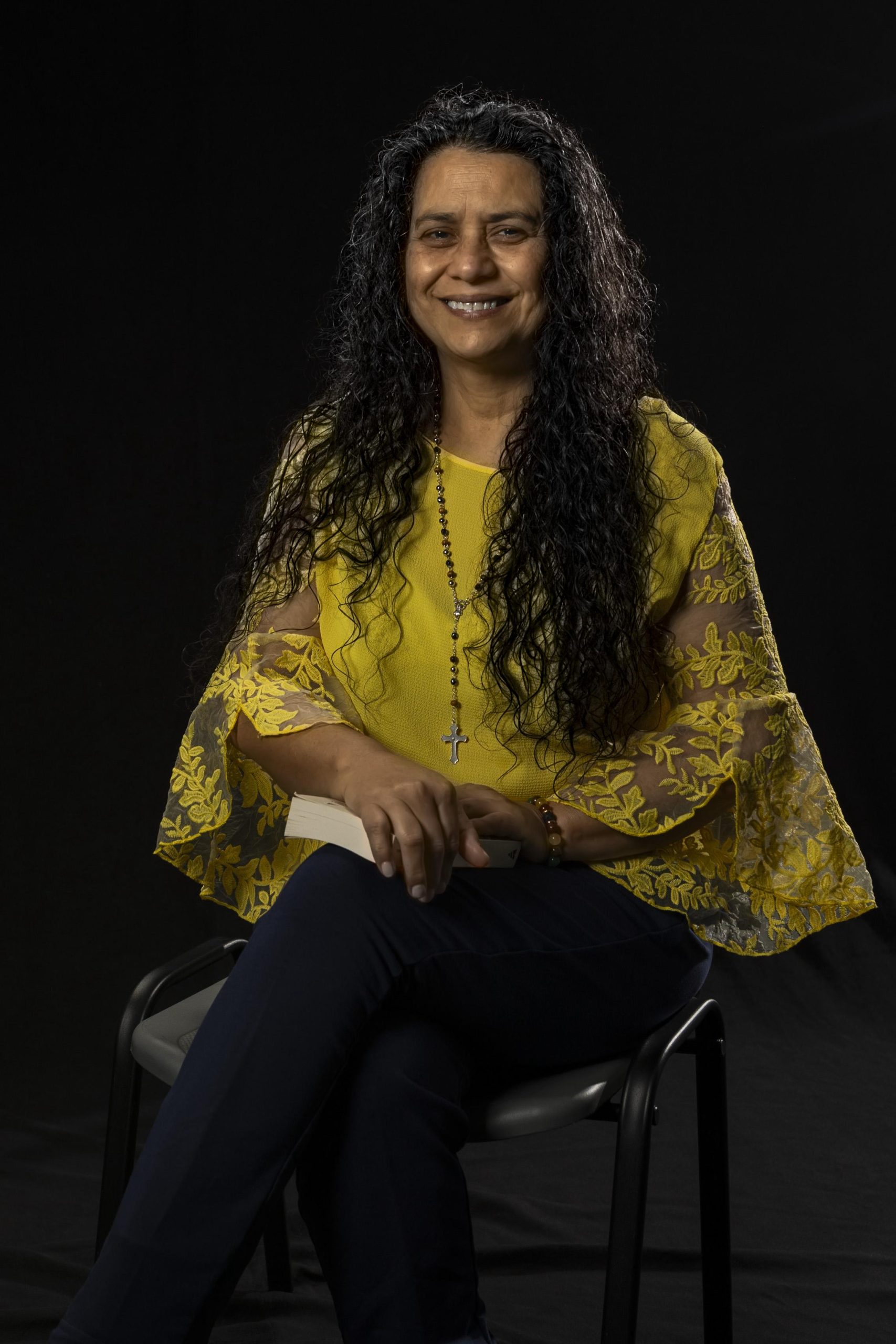
By Claudia Benitez
HoyLunes – Human beings feel that reality moves too fast for our capacity to assimilate it. Probably, in every era, people have experienced life slipping through their hands and reality transforming before they could fully grasp it. Today, that perception intensifies with technological advances, which radically reshape our relationship with the world, with others, and with ourselves. We live in the present; our moments are the only ones we have and, in that sense, the only ones that matter to us, forgetting that we are not the only ones reflecting on the universe.
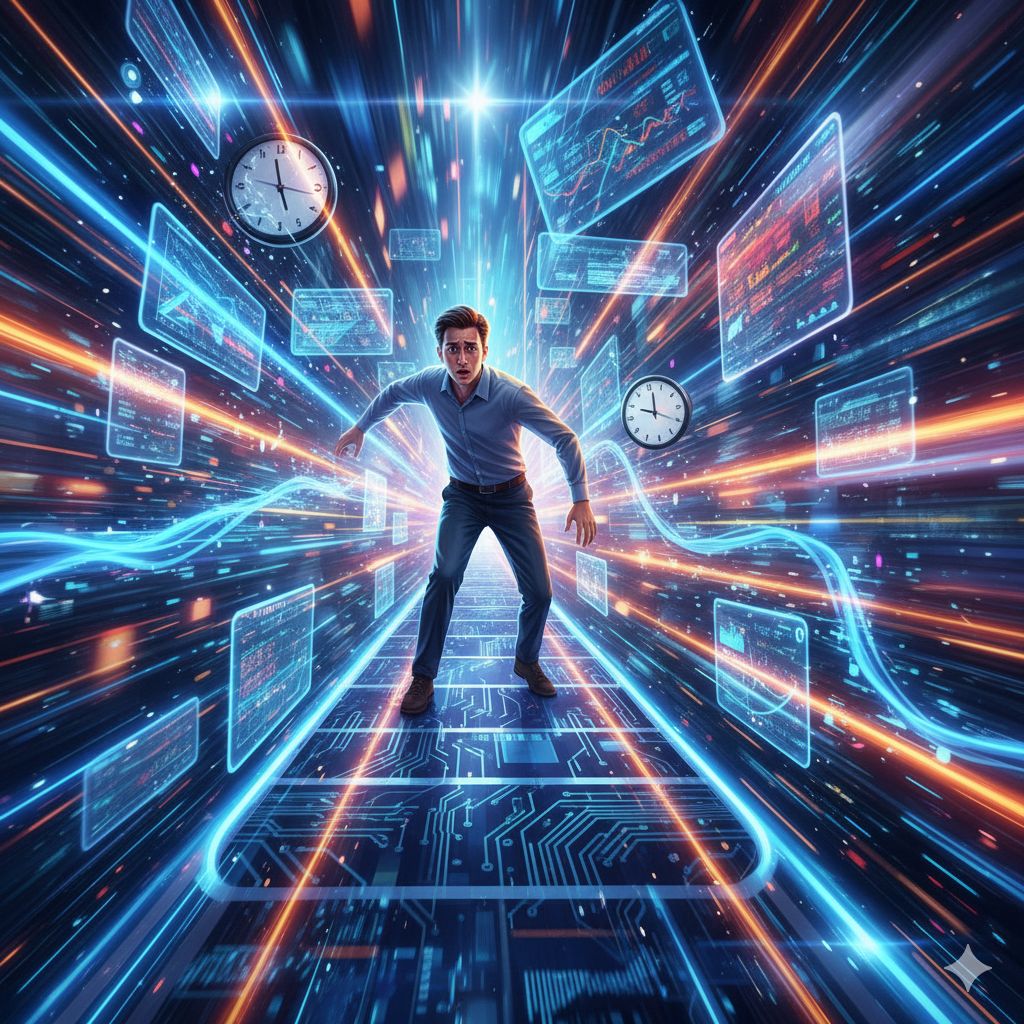
What once took centuries to change can now transform in months, days, hours, minutes, or even seconds. Technology has accelerated the processes of communication, production, knowledge transmission, and social interaction to the point where it becomes difficult to maintain a coherent discourse in the face of such speed. We are immersed in a relentless flow of words, images, and advertisements competing for our attention, shaping our perception of reality without us even realizing it.
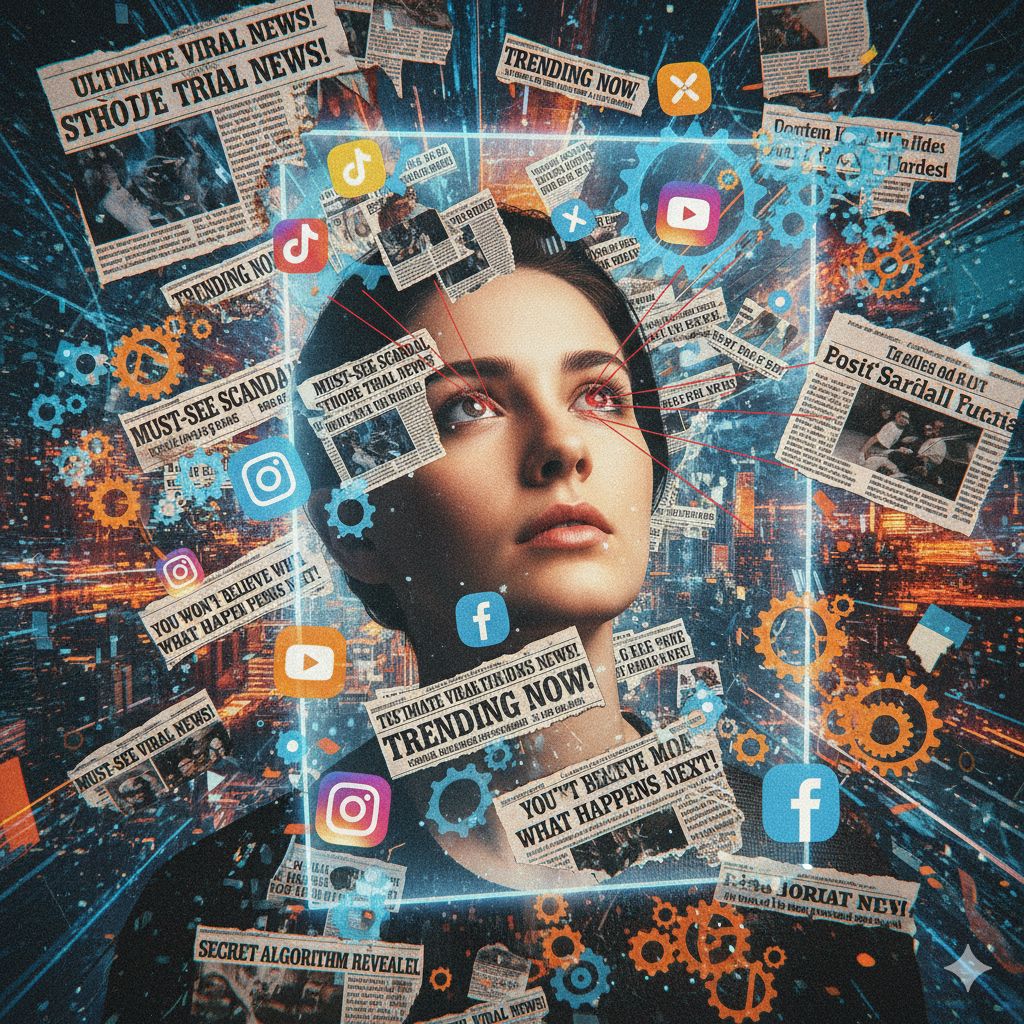
One of the most concerning aspects of this dynamic is the way language becomes a tool of conditioning. The words we consume, filtered through the algorithms of media and digital platforms, select and prioritize the information to which we have access. This constant mediation makes us believe that we decide for ourselves, when in reality many of our opinions are formed or reinforced by external discourses presented to us as natural or inevitable.
In this context, building critical awareness becomes an urgent task. It is not about rejecting the information we receive but about learning to confront it, compare it, and analyze it from different perspectives. Observing how the same event is narrated in different outlets, identifying the linguistic strategies that seek to normalize certain ideas or legitimize specific positions, and recognizing the power of repetition and word selection are essential steps toward developing intellectual autonomy. Only then can we defend ourselves against a silent colonization of thought.
Both science and art are irreplaceable spaces for cultivating constant questioning, both individually and collectively. Unlike media discourses, which often offer us ready-made answers, they confront us with reality in unexpected ways, inviting us to formulate questions rather than seek immediate solutions. Painting, literature, physics, cinema, chemistry, music, theater, mathematics, among others, are spaces where aesthetic or scientific experience sparks doubts, discomforts, and reflections that challenge imposed certainties. The critical effect of art or science does not lie in providing us with a finished truth, but in opening the possibility of multiple interpretations.
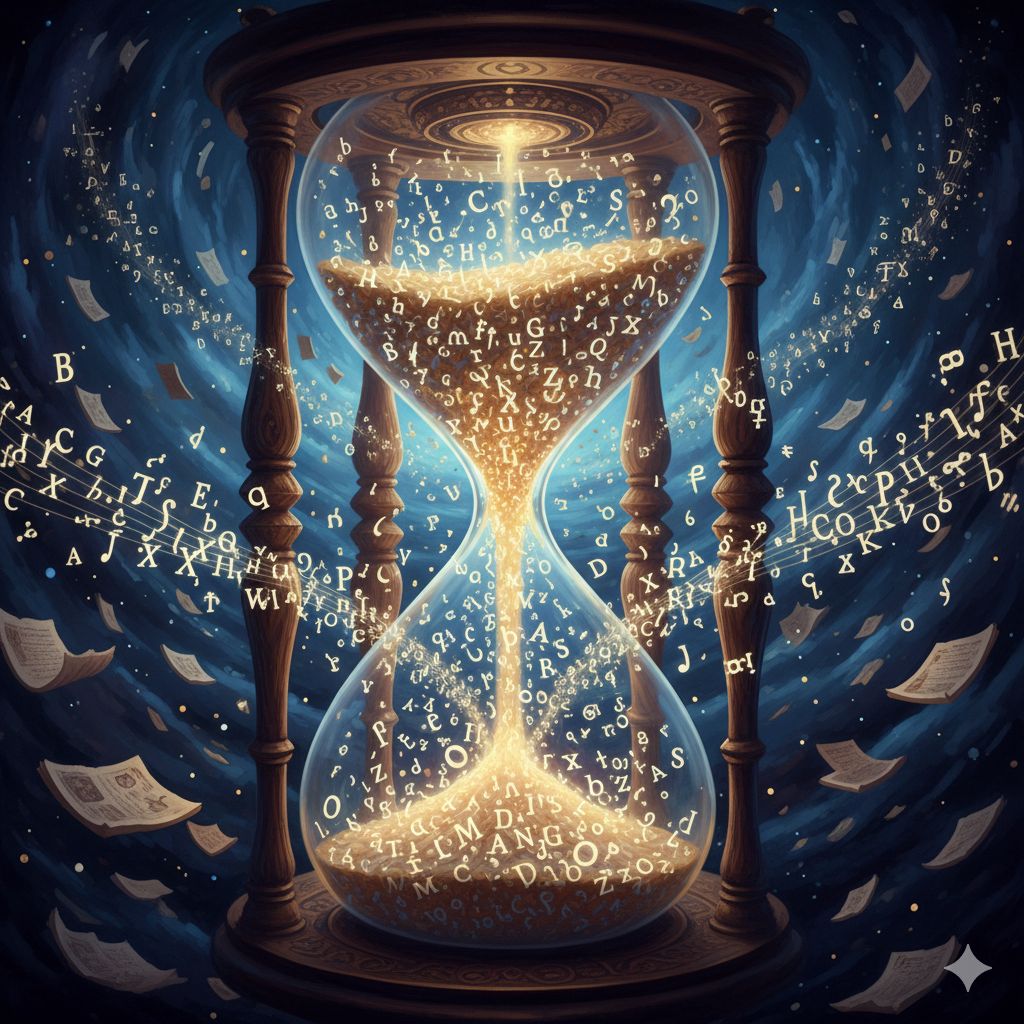
In this way, the constructions of our understanding become a counterweight to the uniformity of media discourse, offering refuge from the immediacy and superficiality of information. They compel us to pause, to contemplate, to engage in dialogue with what we see and feel, and, consequently, to think more deeply.
In a world where speed threatens to dilute meaning, art and knowledge restore pause and remind us that thought is nourished by questions, that deep understanding requires time, reflection, and constant inquiry, and that we are but one language of nature among many others we do not yet comprehend. They teach us that meaning is not imposed, it is built, and that our capacity for wonder and critical thought is what allows us to situate ourselves consciously in the world, recognizing our place as part of a vast web of realities yet to be discovered.
#hoylunes, #claudia_benitez,